
In the current developing landscape of the cyber marketplace, concepts regarding digital marketing vs affiliate marketing are two robust techniques that companies use as leeway for growth. Both ways are meant for pushing forward the sale of products or services, but they do this in various ways. It is important to appreciate these differences for anyone who is out there to decide which strategy best fits their business. In this article, I will guide you in brief regarding both digital marketing and affiliate marketing with regard to their advantages, disadvantages and purpose.
What is Digital Marketing?
Digital marketing is promoting various goods and services using internet-based channels and platforms. There is a variety of mobile marketing strategies all designed to bring businesses to their customers in a digital way.
Key Digital Marketing Channels and Methods
Main tools which one can implement in digital marketing strategy include the following:
- Search Engine Optimization (SEO): Optimization of a website to make it more visible on search engines.
- Pay-Per-Click (PPC) Advertising: Placing advertisements for which the company is charged by the number of clicks earned.
- Social Media Marketing: Utilizing such sites as Facebook and Twitter to promote connections with clients.
- Content Marketing: Generating useful resources such as articles, videos and diagrams to capture and keep consumers’ attention.
How Businesses Use Digital Marketing to Reach Audiences
Off late, many businesses have been relying on digital marketing in order to reach particular groups of people that they desire to work with through the analysis of customer behavior on the internet. A good example is the use of google analysis whereby companies are able to assess how effective their campaigns are and they are able to change or enhance their campaigns while they are still running. With this advanced form of focusing, there is no wastage of the marketing budget which in return increases the rate of conversions.
What is Affiliate Marketing?
Since performance marketing relates to profit-sharing, affiliate marketing follows a performance-based model where businesses pay affiliates for traffic or sales generated through specific links. While primarily used by e-businesses, it is not limited to this sector.
How Affiliate Marketing Works
The business of affiliate as the title implies pays people who do not work for them for their own promotion efforts; for example, the information services house for the New Yorker brand promotes their shirts through affiliate systems. Once visitors visit their sites, click the links that are exclusive to them and buy products, these affiliates get a percentage of the sales. This strategy helps the organization to reach out to the audience of the affiliate without incurring expenses on any marketing strategies.
Common Affiliate Marketing Platforms
Some of the popular Affiliate marketing platforms include:
- Amazon Associates: One of the largest affiliate programs, offering commissions on a vast range of products.
- ShareASale: A platform connecting merchants and affiliates across various industries.
- CJ Affiliate: Another major platform that allows businesses to partner with affiliates to drive traffic and sales.
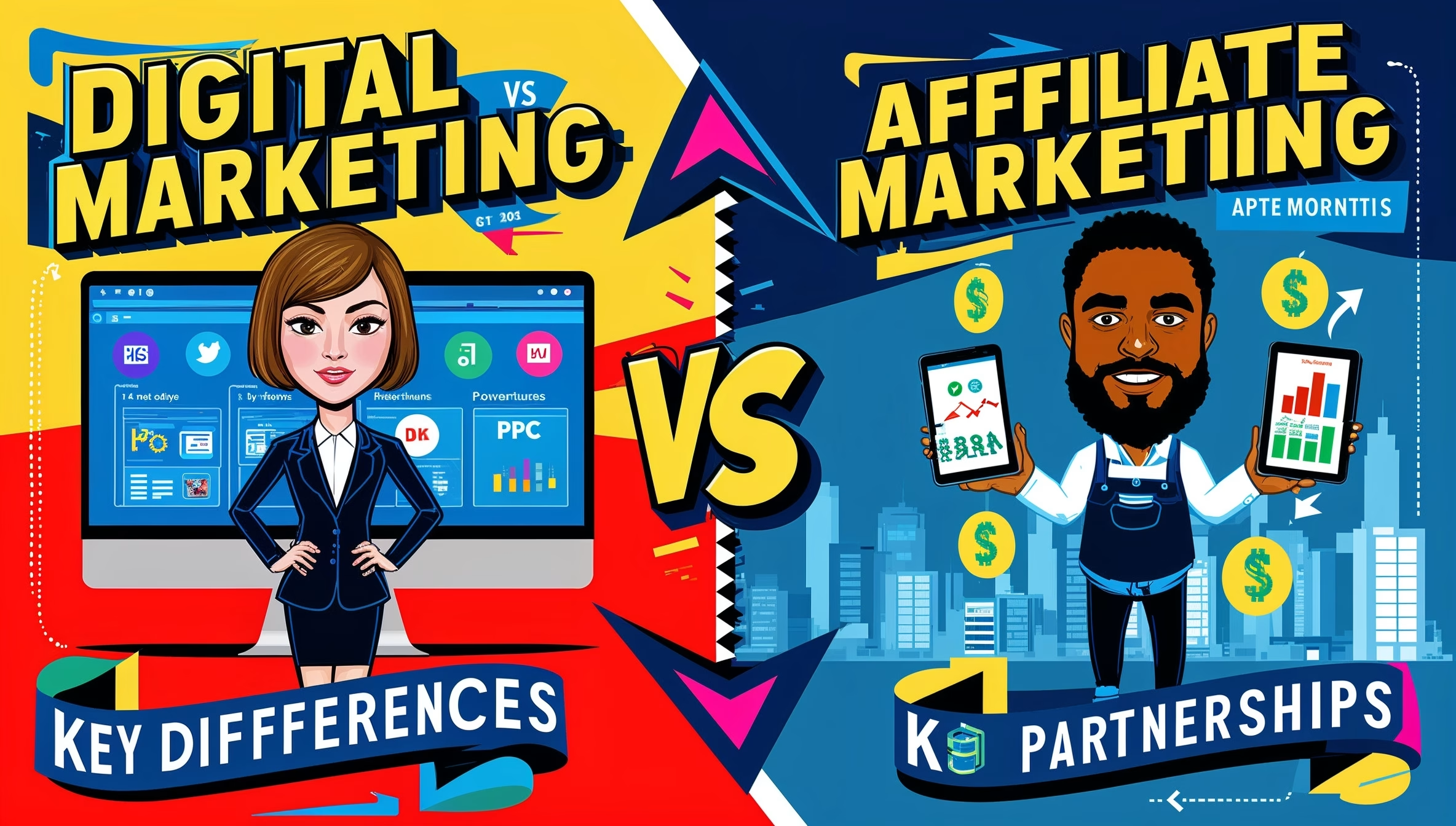
Digital Marketing vs Affiliate Marketing: Key Differences
The first difference comes with us looking at digital marketing vs affiliate marketing wherein affiliate marketing relies on third-party partners, but digital marketing has management directly undertaken by the business itself.
In further detail, digital marketing has every single aspect of advertising worked out by the business on its own, advertising in social networks, working on pay per click and others. On the flip side, third parties handle the marketing in affiliate marketing, so the business incurs costs only when a sale occurs. Each way has its pluses according to the company’s assets and objectives.
Pros and Cons of Digital Marketing
There are few digital marketing pros and cons that need consideration when planning to use this approach for your business.
Pros:
- Everything from campaigns to branding is being undertaken by yourself.
- There is a lot of data that can be gathered for analyzing performance.
- Growth rate can be controlled easily through the budget allocated.
Cons:
- It might be tedious to monitor everything yet it is very essential.
- Tools and paid ads would incur cost in the early stages.
- Compliance with trends would require addiction and so with changes in the algorithm.
Pros and Cons of Affiliate Marketing
Lets examine the affiliate marketing pros and cons that businesses need to evaluate prior to launching an affiliate program.
Pros:
- Start-up cost breakdown: Affiliate commissions are only paid post sale.
- Active promotion: Customers must take the initiative and fathom the Allures complex nightmare of compound system advantages and characteristics, like PAC-CAMBO or Cascade-Or…
- Other Partners also benefit from New Audiences: Affiliates extend your brand exposure to new potential customers.
Cons:
- It’s difficult to manage how your brand will be marketed from now on and where your brand messaging will fit.
- May encounter irregular traffic volume if one or more of the affiliates do not bring in any business.
- Revenue losses since commissions will always be paid out.
Digital Marketing vs Affiliate Marketing: Examples in Action
In these instances, both digital marketing vs affiliate marketing examples serves to illustrate how each strategy can work well under different circumstances.
- Digital Marketing Example: Local bakery advertises via Facebook ads, and SEO promotes offers concentrating on seasonal sales, increasing the flow of customers into the bakery store, etc.
- Affiliate Marketing Example: If fitness stores do, they work with influencers who distribute links to their online products and get commissions for each product sold through the shared link.
These examples highlight how comprehensive or probed each method can be, depending on the objectives of the business.
Looking for expert help with digital marketing or affiliate marketing? Visit Fiverr Marketplace to find professionals ready to grow your business today!
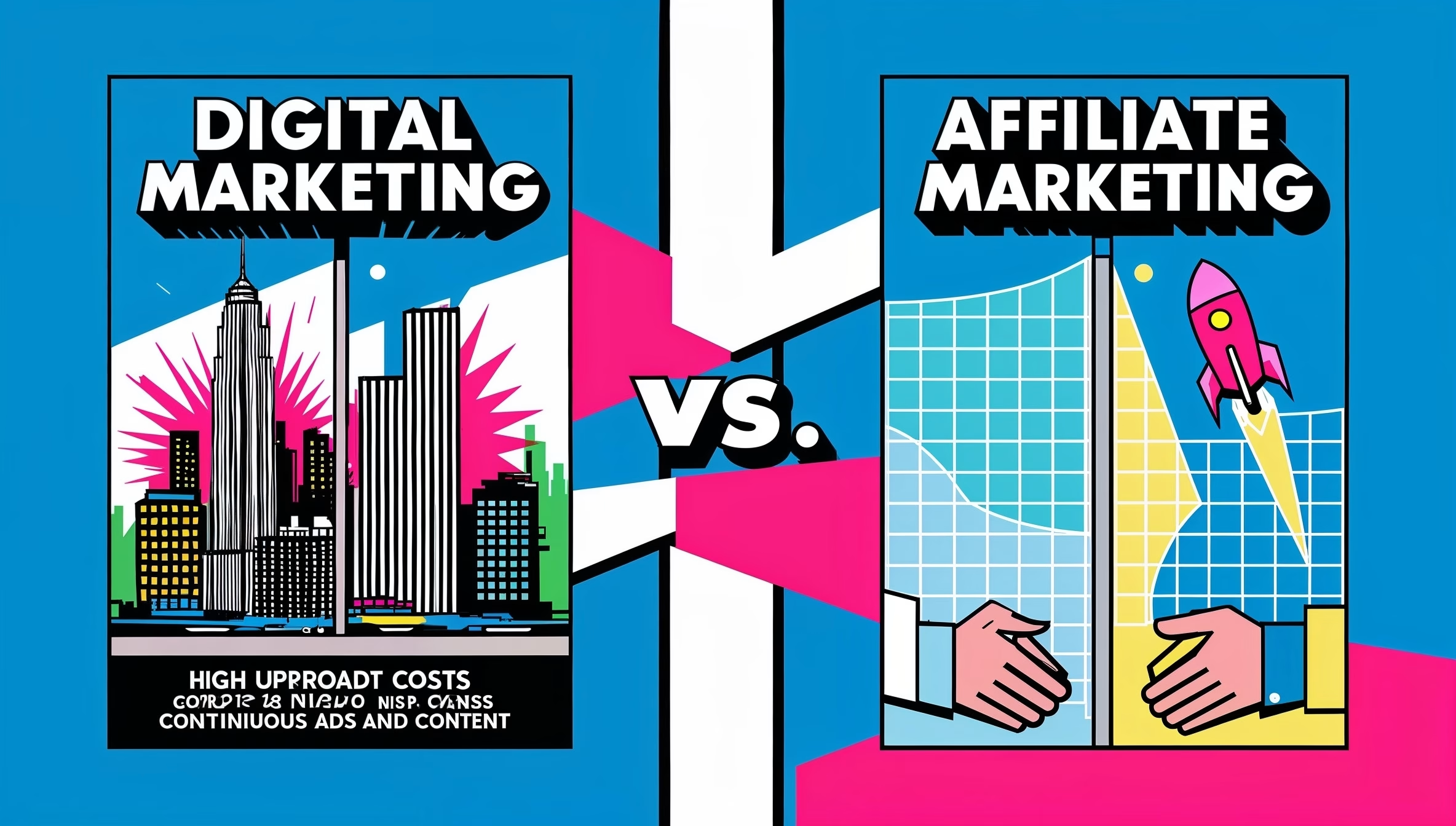
Cost Comparison: Digital Marketing vs Affiliate Marketing
In terms of cost, digital marketing vs affiliate marketing strategies tend to be more or less constant, but there is no evident explanation as to why.
| Strategy | Upfront Costs | Ongoing Costs | Risk Level |
| Digital Marketing | High (ads, tools, SEO) | Continuous investment in ads and content | Medium-High |
| Affiliate Marketing | Low | Commission payments to affiliates | Low |
One disadvantage offered by digital marketing, however, is that there is a lot of capital investment at the start. This is also the reason why most people cannot afford this kind of understanding, an affiliate model. It is very cost effective.
Which is Better for Beginners: Digital Marketing or Affiliate Marketing?
When looking at the distinction of affiliate marketing vs digital marketing, at the most times beginners go for affiliate marketing which is simpler and costs less. It helps the person in question to commence marketing products at ease without a prohibitive marketing budget. However, for those businesses that want to do a closer branding management and growth, there is indeed a better avenue through the method of digital marketing.
Choosing Between Digital Marketing and Affiliate Marketing for Your Business
Between digital marketing vs affiliate marketing which strategy is right is based on the model of the business and objectives as well as the resources that are present.
- If managing campaigns by yourself is what you want and you have the resources to spend in this type of marketing Center, additional investment will probably offer the best solution.
- When resources are limited or businesses want to reach clients through others, affiliate marketing becomes a suitable option.
It may also be the combination of both possibilities that optimizes the benefits of either approach.
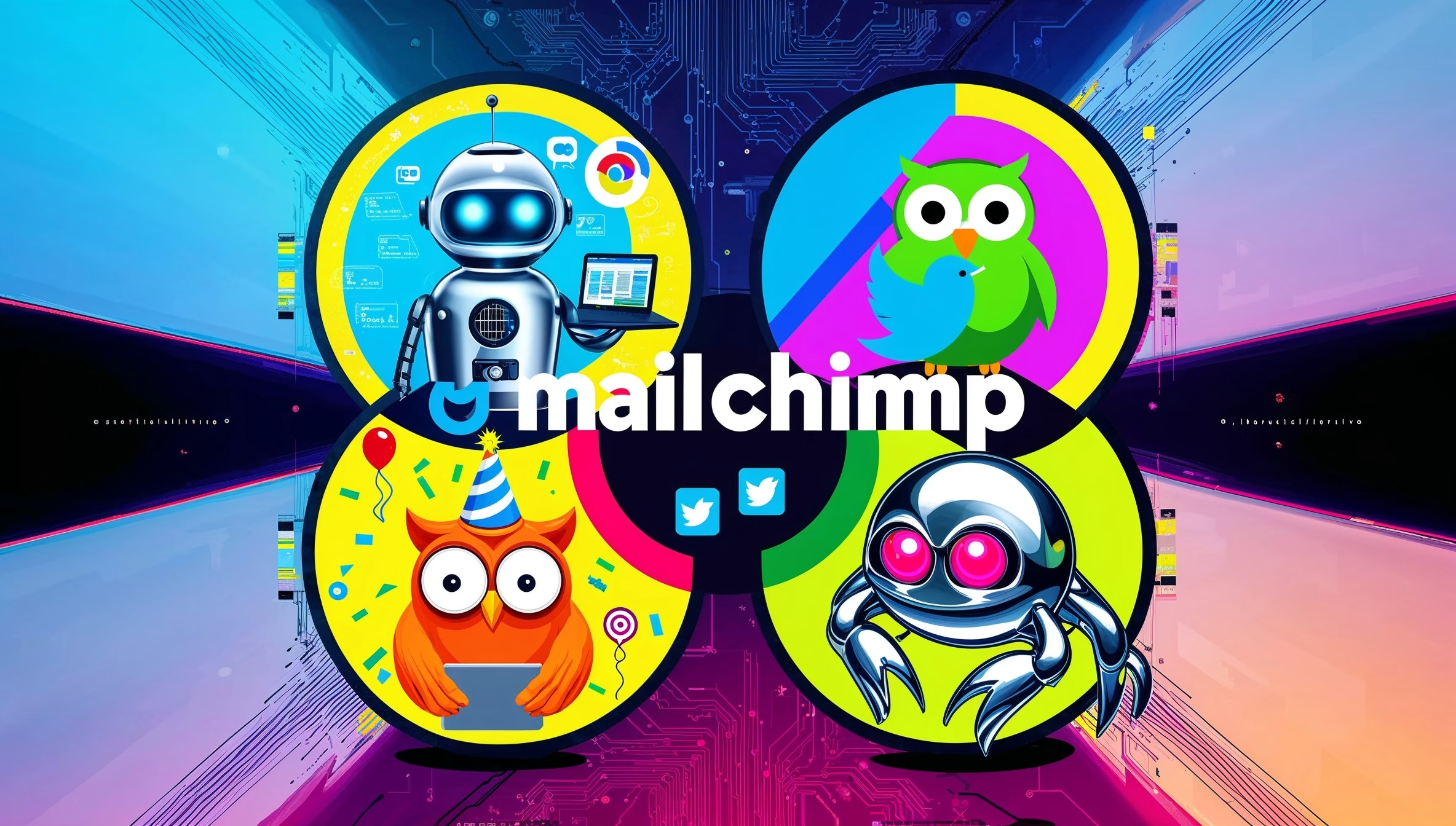
Tools You Need for Digital Marketing
Here’s a list of essential tools for running successful digital marketing campaigns:
- Google Analytics: Measures and analyzes data of a website’s traffic and particular visitor’s actions.
- Hootsuite: Allows posting and managing multiple social media accounts.
- MailChimp: A cloud based email designing organization and suitable for issuing electronic newsletters.
- Ahrefs: Full funnel search engine optimization software built to help monitor and manage a website’s keywords and backlinks.
These tools serve as aids in conducting digital marketing and help to measure the performance of the campaigns.
Looking for expert help with digital marketing or affiliate marketing? Visit Fiverr Marketplace to find professionals ready to grow your business today!
Conclusion: Which Strategy Wins? Digital Marketing vs Affiliate Marketing
In conclusion, the choice of digital marketing vs affiliate marketing will depend on the nature of one’s business. Digital marketing offers greater control and scalability, while affiliate marketing requires minimal investment and focuses on return on investment. Both strategies have advantages and disadvantages and the most suitable option for your business will depend on budget, resources or marketing objectives. It doesn’t matter if you choose digital or affiliate marketing, or even both since any of these strategies will get your company to the next level in today’s internet world.
FAQs
In digital marketing, the business owns all the marketing mechanisms, in – affiliate marketing – the third party promotes the product by earning commission.
Affiliate marketing is more cost-effective than digital marketing because it involves lower startup costs. Businesses only pay affiliates when they successfully generate sales.
These small companies do because they rely on the benefits a combination of both brings.
The cardinal disadvantage with any form of marketing, including digital marketing, is that there is no guarantee for a positive return on investment.
Some advantages of affiliate marketing in your business are risk fairness low while still marketing your business to more people, you make money only when the number of conversions goes up.
