
For an artist, it is no longer considered a luxury or an optional component to have an artist portfolio website, rather it is a basic requirement. It’s not enough to just showcase your work; it is getting a place that ‘sells’ your work, enhances your image, and develops you professionally. No matter if you are an illustrator, a photographer, or a designer, these days a properly designed place can open up a lot of opportunities to you. How can you make sure that your website is not only a showcase but an effective sales tool at the same time?
Why Your Artist Portfolio Website Should Sell Art
While it’s good to have a beautiful artist portfolio website, as many artists have found out if you do not convert those views to sales then you are wasting your effort and opportunities. This website of yours is your shop, and it is high time you built it for more than displaying your creativity. With a focus on direct selling, it will be possible to decrease reliance on third-party services by learning how to market oneself effectively to one’s audience and convert fans to ‘consumers’.
The trick is to integrate the two. Now, the question is, how do you go about designing a site that does not only amaze but also switches the visitors’ buttons?
Choosing the Right Platform for Your Artist Website
As you start creating your artist portfolio website, one of the first choices you will have to make is to decide which platform is the best for you. The platform you use can have an impact on the design, usability and function of your site. There are various approaches to this where some platforms have been designed especially for the artists while others have more general e-commerce facilities.
Top platforms for building an artist portfolio website
- Wix: Excellent for beginners having very few design skills and as they have ready templates to modify.
- Squarespace: Good styling options inclusive of E-commerce features.
- Shopify: Ideal for those focusing primarily on sales, especially for a website to sell art.
- Weebly: Inexpensive and user friendly even for both portfolios and e-commerce.
Even though you may have the advantage of fast deployment of your site and usability due to the platforms you choose, it is prudent that the site serves its purpose. In your artist portfolio website, remember that people see your work and subsequently make judgments about you which read, for this reason, it has to be convincing. It is understandable that you do not want to bombard your visitors but at the same time, you surely want to leave them wondering what patterns they can creatively come up with.
Showcasing Your Best Work on Your Artist Portfolio Website
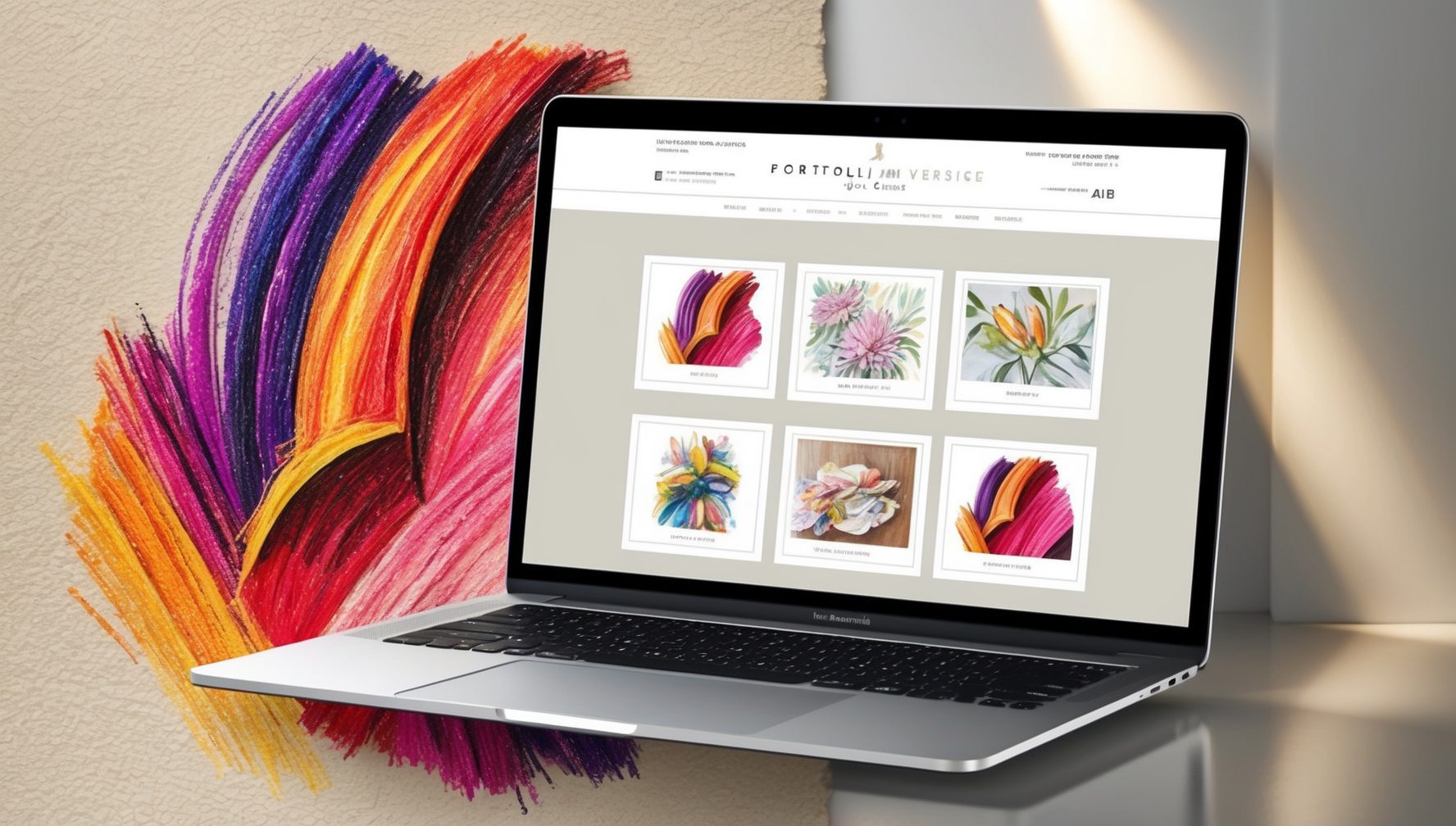
Your artist portfolio website is a reflection of you, so it’s important to put your best foot forward. Carefully selecting and curating the art you display can make or break the effectiveness of your site. You don’t want to overwhelm visitors, but you also don’t want to leave them guessing about your talents.
Tips for selecting artwork that resonates with potential buyers
- Choose quality over quantity: Showcase the strongest work alone. A few, bare works are better than a lot of disorderly works.
- Organize the portfolio with specific themes or mediums: It makes it easier for the buyers to look for things.
- Showcase your personal brand: Make sure the portfolio tells who you are in its creative form.
- Explain the concept: Information on the size, materials and the concept of the work should be provided.
Optimizing Your Artist Portfolio Website for SEO
Though some artist portfolio websites have great designs, unfortunately, they do not lead the artist to any sales unless they are optimized for sales. This is where SEO comes in. SEO saves you money by ensuring minimal ad spend with substantial consequences. This means selling more at lower ad expenditure as people who are relevant to the practices are the ones being brought to the website.
Best SEO practices for artists websites
- Utilize proper keywords: Include terms like artist portfolio website, artist website, and website to sell art in titles, descriptions, and alt text for images.
- Optimize images: Speedy loads enhance SEO ranking and the user experience.
- Start a blog: Write about how you do your creative work, tell the visitors about possible events, or publish your new collections so that they could be interested and the ranking is improved.
- Mobile responsiveness: Make sure your site has good graphics on both phones and tablets, since a large segment of the population uses mobile devices for browsing.
Integrating E-commerce Tools on Your Artist Website
The option of selling one’s artistic work on the artist portfolio website directly has changed the game. Luckily, a lot of them have led to the introduction of e-commerce tools which one can use display their arts and distribute them efficiently.
Some top e-commerce options include:
- Shopify Integration: Good for professionals that major in direct sales.
- PayPal or Stripe: Simple ways to get payments for goods sold to any corner of the globe.
- WooCommerce: Awesome extension for WordPress sites.
Such tools will make it possible for their clients to buy their pieces while perusing their profiles, thereby eliminating any need of moving their clients away from any of their websites.
Designing a User-Friendly Artist Website That Converts
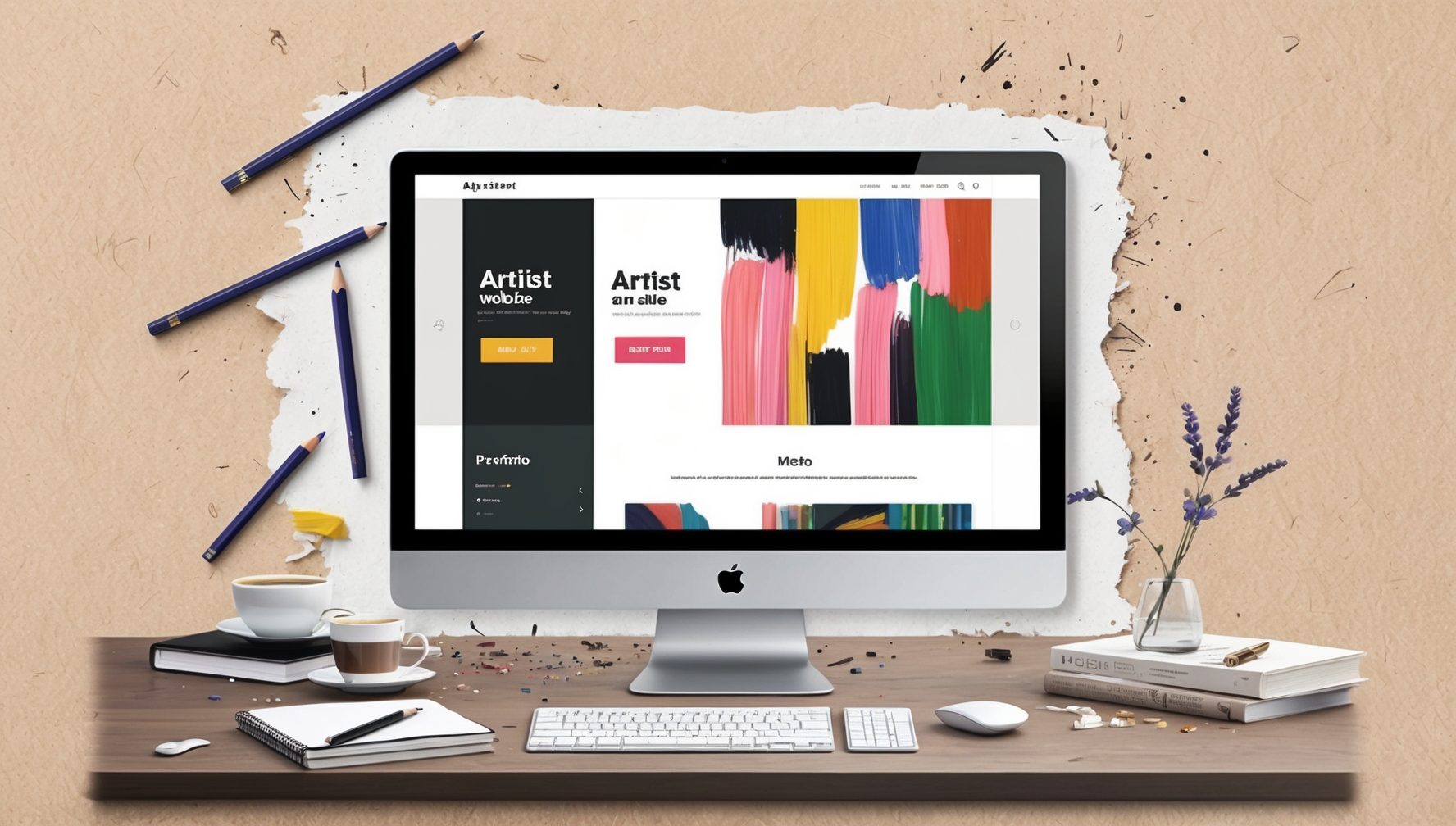
When it comes to artist websites, design is everything. Any cluttered or hard to navigate design will scare away potential buyers. Emphasize creating a clear, attractive, and simple website that guides visitors from your portfolio to your site, where they can make a purchase.
Here are some pointers to improve the design:
- Simplicity: Let your art take the center stage and avoid distracting designs.
- Clear calls to action: ‘Buy Now or ‘Inquire’ buttons are useful in converting visitors into buyers.
- Navigation: Help visitors in finding what they need easily, thanks to the specific menu provided.
visit Fiverr Marketplace and buy services related to building an artist portfolio website, click here!
Marketing Your Artist Portfolio Website to Reach a Larger Audience
After setting up your artist portfolio website, the next thing will be ensuring that visitors are able to access it. Defining the markets with a suitable marketing plan is imperative as that will make it possible for the potential buyers of one’s art to see it.
Social media marketing for artist websites
Social media networks like Instagram, Pinterest and Facebook are great avenues for marketing your artist portfolio websites. Here are some tips to begin with:
- Instagram: Upload wonderful pieces of your work on this site, and you can add a link to your website in the bio of your profile.
- Pinterest: Develop boards that complement your art and embed links to the specific product pages.
- Facebook Ads: Advertise on Facebook for the purpose of directing traffic to your website for the purpose of artwork sale.
Showcasing Testimonials and Reviews on Your Artist Portfolio Website
When potential clients view reviews, comments or testimonials from past buyers it creates trust to the potential buyers of the art. People are known to buy items that a majority of people have reviewed positively.
Share reviews and testimonials by the earlier or current clients, collectors or gallery owners to support your work. Do not forget and put those testimonials into eye-catching elements of the homepage or product pages to support your works even more.
Analyzing the Success of Your Artist Portfolio Website
The website’s performance is essential and critical to achieving its objectives, so you should not ignore it. Tools such as Google Analytics would assist in checking the amount of traffic recorded, the number of pages viewed and the number of sales made. While this data is crucial, it will not tell you what is working and what cannot be if the objective is to increase conversions.
Look at these aspects:
- Bounce rate: Do people exit the website without visiting other pages?
- Conversion rate: Of all the people who visited the website; what percentage actually bought art?
- Traffic sources: How are people coming to your website? Is it through search engines, social media interactions or other websites?
Common Mistakes to Avoid on Artist Portfolio Websites
Creating a artist portfolio website for an artist is as critical as a successful headshot after wedding photography. To seek optimum performance from your website, avoid doing the following neck breaking mistakes:
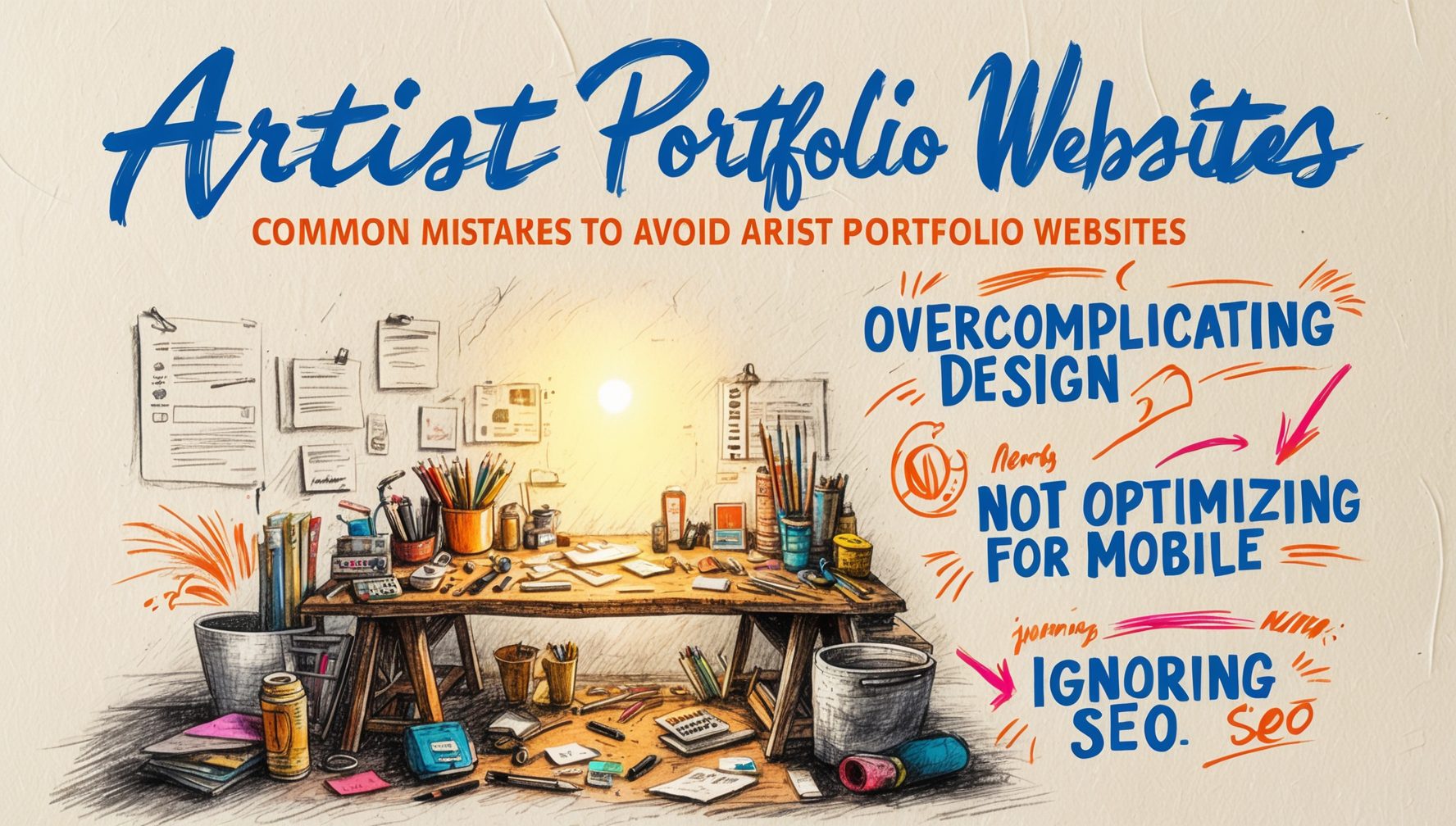
- Complicating the design: Nobody wants to see a combination of many colors, backgrounds and fonts in a short space as the art itself will disappear.
- Ignoring mobile compatibility: These days, it is no longer enough to have a splendid website on a desktop only one which also looks good on smartphones should also be designed.
- Disregarding search engine optimization: There is no point in spending countless hours on creating an imaginative website and developing great content only for it to be impossible for web visitors to navigate to the website because it has no SEO.
visit Fiverr Marketplace and buy services related to building an artist portfolio website, click here!
Conclusion: Turn Your Artist Portfolio Website into a Selling Machine
With the increasing use of the internet, having an artist portfolio website is a must especially one that helps to showcase and market your art with the same amount. Choosing a valid platform, doing some SEO, and adding marketing features can make your website an ideal sales hub. Always ensure that the users have access to your design and allow the promotion of your art to a broad audience. The directory for an artist portfolio website is wide enough to express your zeal and how you wish your art business to flourish.
FAQs
You can display the best of your works with descriptions for each piece and create a shop so that the visitors can purchase your works.
There are popular ones like Wix, Squarespace, and Shopify because of the simplicity and e-commerce features.
Improve the site’s ranking by using targeted keywords, optimize images, and make the website responsive.
Yes, it is possible to use e-commerce tools to sell art directly from the website by adding features like Shopify, PayPal, or WooCommerce.
A well thought out intuitive design that showcases your work and facilitates the sale of your work to visitors is crucial.
