
In the current age of technology, learning how to undertake your email marketing journey is vital for businesses if they want to reach out to their audience and increase conversions. A well structured email campaign not only assists in fostering ties, but also ensures that the client remains active throughout the entire course of their journey. In this article, we are going to discuss in detail the step by step development of the email marketing journey without leaving any element to be non-customer-centric.
What is an email marketing journey?
An email marketing journey consists of automated emails sent from the moment a user subscribes until they take action, such as making a purchase. It engages the user at each of the emails by warming them up, warming up their relationship towards making the purchase.
The Importance of a Well-Mapped Email Journey
It is important to flesh out an email journey map in these regards because it helps you to illustrate in the design what the total picture of customer interaction is. In the market, without this, it is very easy to be overtaken by events and not know what messages need to be sent and when.
Defining Key Stages of the Email Journey
There are key stages in the email journey map:
- Awareness: What we call as the point when subscribers first join your list.
- Consideration: When they are in the process of gathering information about you and what you have to offer.
- Decision: In case, they are of a disposition to do something.
How Mapping Helps Improve Engagement
By creating maps of customers’ needs and wants, the emails that you send are more relevant to each stage in their lifecycle, thereby increasing engagement by fulfilling your audience’s needs at the appropriate time.
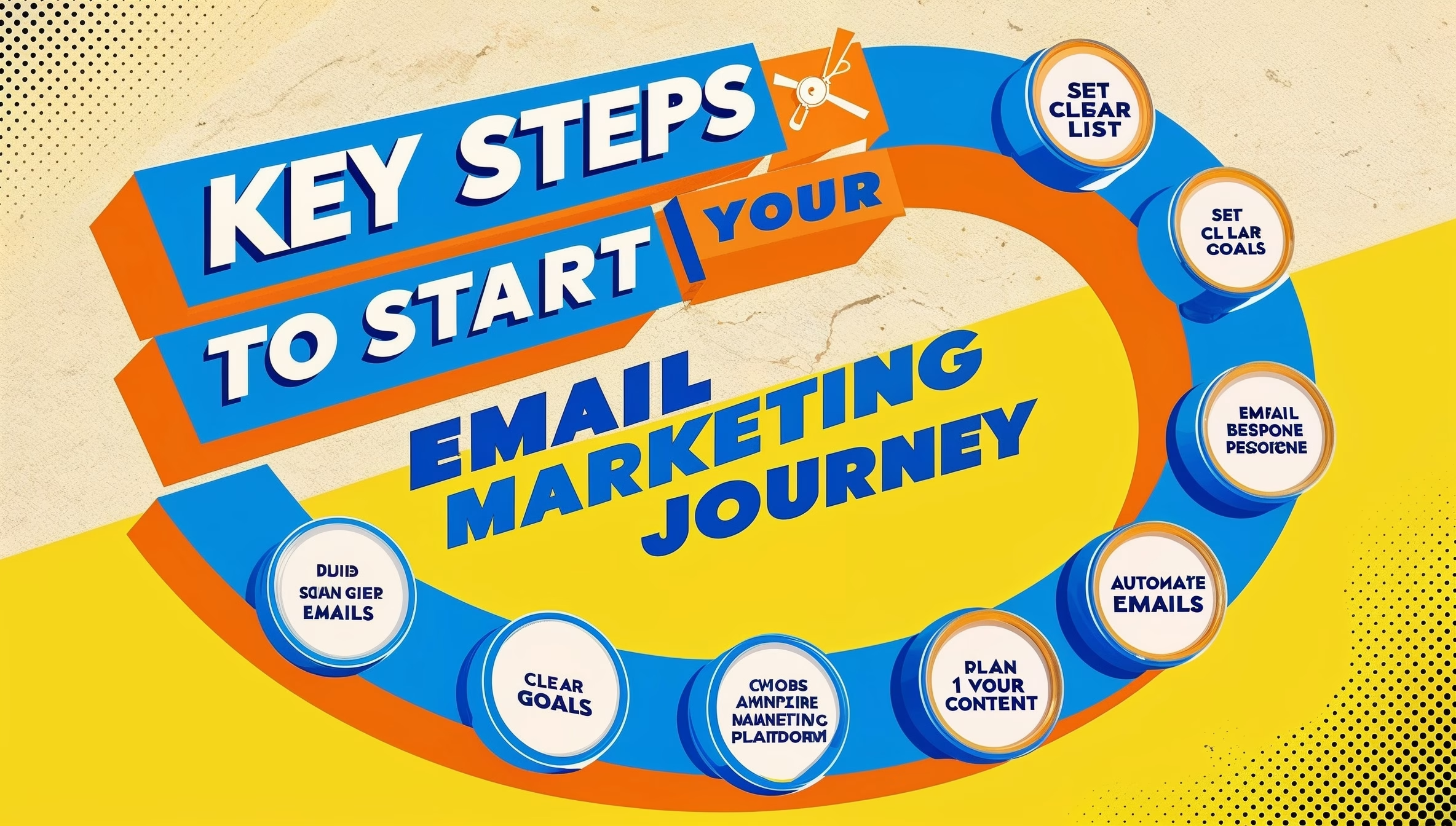
Key Steps to Start Your Email Marketing Journey
These core steps outlined will help in building the resort structure for the email marketing adventure:
- Build your subscriber list: You cannot just sit there and wait for the potential customers to come.
- Set clear goals: Clearly outline the outcome you wish to obtain with the help of email marketing tools (for example, increased sales or brand awareness).
- Choose an email marketing platform: A tool that comprises all necessary features such as automation, segmentation, and analytics.
- Plan your content: Develop content that appeals to your audience and that is relevant to them at every point of the customer journey.
- Automate emails: Use appropriate software in order to automate emails, which in turn would be triggered by individuals interacting with customer systems (registration, clicking on advertisement/links).
Building an Effective Email Marketing Strategy
The best strategy for email marketing aims at information dissemination to relevant persons and at appropriate times breaking the cycle of flooding receivers’ inboxes with irrelevant content at all times. With the improvement in adoption of the online commerce, it is no longer about sending email for the sake of it; rather just sending the most appropriate content to the soma of customers at any point.
Begin by identifying segments of your target audience. Next, write out detailed emails that will appeal to each target so that a subscriber feels motivated to act and achieve your objective.
Personalization: The Key to Engagement in Email Marketing
Personalization is one of the important aspects of email marketing. People tend to interact more with those emails with which they can establish a connection.
Creating Dynamic Content for Personalized Emails
Interactive content includes elements that users can modify based on their input or preferences. Thus, you may address the email with the clients’ first names, recommend products the clients have already checked out, or change the content of the message according to the client’s geographical location.
Segmenting Your Audience for Better Results
Through targeting a section of an audience based on demographics, past purchases, or browsing habits, you can shot your emails better.
Looking to improve your email marketing journey? Visit Fiverr Marketplace to hire experts who can optimize your strategy and boost your engagement today!
Choosing the Right Email Marketing Tools
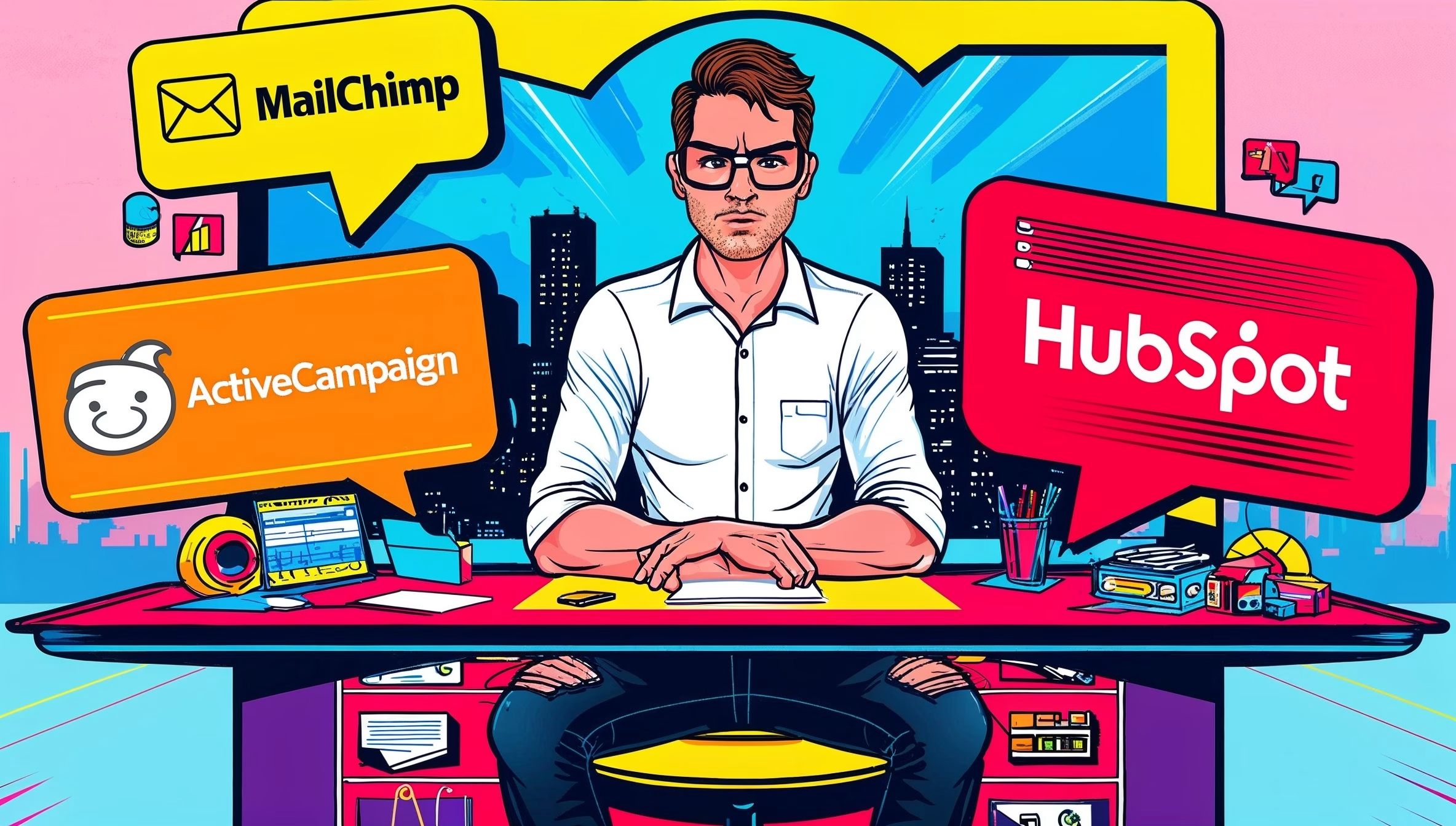
To make your clients’ email marketing experience intact, there are tools you need that will allow you send bulk emails automatically triggering them based on clients’ actions, personalizing content, and offering advanced data tracking. In this regard, the nice tools are:
- Mailchimp: A Perfect solution for starters as well as small scale businesses.
- ActiveCampaign: The most type of users seeking marketing automation, especially segmentation.
- Hubspot: Suitable for larger businesses with lots of features like CRM integration.
Four tools can assist you in executing and managing the whole process of email marketing, be it building targeted lists or evaluating the returns.
Creating an Email Journey Map
An email journey map defines the emails to be sent and the triggers activated by the customer’s actions. It ensures subscribers receive relevant emails at the right time, preventing them from being overwhelmed while aligning messages with their position in the customer lifecycle.
Tracking and Measuring the Success of Your Email Journey
Email marketing campaigns include time bound activities so it does not come as a surprise that there is a need to track this journey. Critical factors that should be assessed are;
- Open rates: Percentage of the audience who have actually opened your sent mails.
- Click through rates (CTR): The total number of people who clicked on a hyperlink in the given email.
- Conversion rates: The number of people who did what they were supposed to do expectedly such as buying the goods that were offered for sale.
Measuring these factors gives room for the email marketing plan to be revised so as to enhance results in future campaigns.
Common Pitfalls to Avoid in Your Email Marketing Journey
Mistakes in an email marketing campaign can happen, even in the best strategies, but they also provide opportunities for improvement. Here are a few key pitfalls to avoid:
- Spamming your subscribers with too many emails: This is a disease that lead to fast Unsubscribes.
- Not considering audience segmentation: One of the disadvantages of bulk content marketing is the ineffectiveness of this method and it’s lack of targeting.
- Not analyzing the results: You can improve your tactic only by knowing the results.
Optimizing Your Email Marketing Journey for 2025
To keep up with the trends in 2025, perfect your email marketing journey by making it as mobile responsive as possible, using more interactive elements such as polls, and adopting AI for better personalization. With users regular activities shifting, your tactics should shift as well.
Looking to improve your email marketing journey? Visit Fiverr Marketplace to hire experts who can optimize your strategy and boost your engagement today!
Conclusion: The Future of the Email Marketing Journey
In summary, a well-structured email marketing journey significantly boosts engagement and conversion rates. Defining each step, crafting targeted email content, and optimizing emails ensure effective interaction with readers. Email marketing is on the rise and those who will work towards enhancing their email journey map and email marketing plan will benefit.
FAQs
An email marketing journey is a complete campaign that runs from automated emails designed to convert the subscribers from recognizing the product to making the purchase.
Personalization enables relevant information to reach every subscriber according to their liking which in turn enhances engagement and conversion.
An email journey map outlines the sequence and timing of emails sent to customers based on their actions or specific stages in the buyer’s journey.
You can track your email marketing strategy using key metrics like open rates, click rates, and conversion rates.
The key factors in the construction of email marketing strategy comprise building and maintaining a list of subscribers, defining the target cluster, crafting promotional messages, and scheduling email campaigns.
